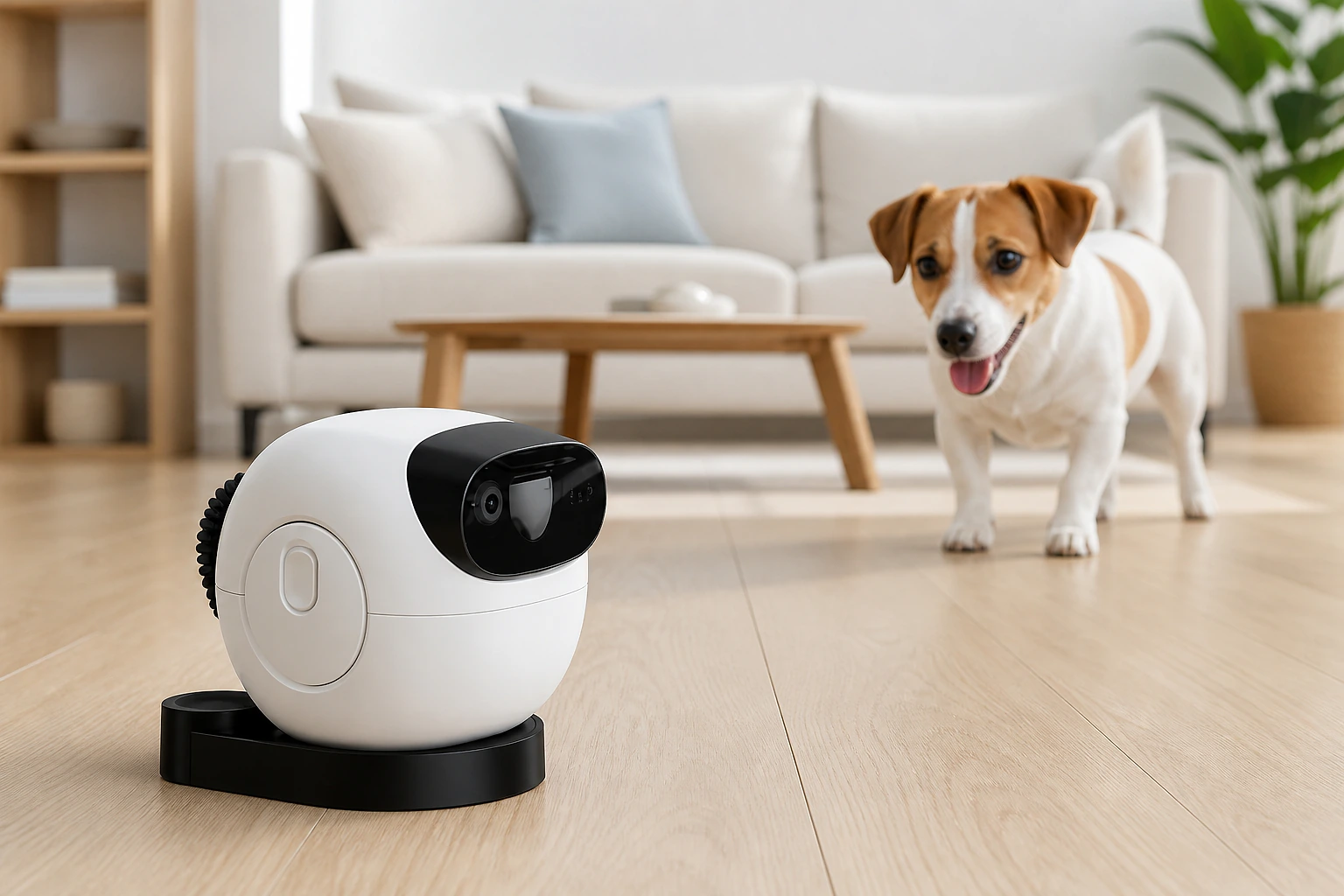
Define the buyer brief
Set the destination market, channel, product job, expected quantity, packaging direction, launch timing, and documentation needs.
OEM/ODM smart pet product process
Move from a product idea or catalogue shortlist to a qualified project brief without treating unconfirmed software, certification, MOQ, or lead-time details as promises.
The process is real; the scope is item-specific. Final development, tooling, sampling, documentation, quantity, and production terms require a written project confirmation.
Project sequence
Set the destination market, channel, product job, expected quantity, packaging direction, launch timing, and documentation needs.
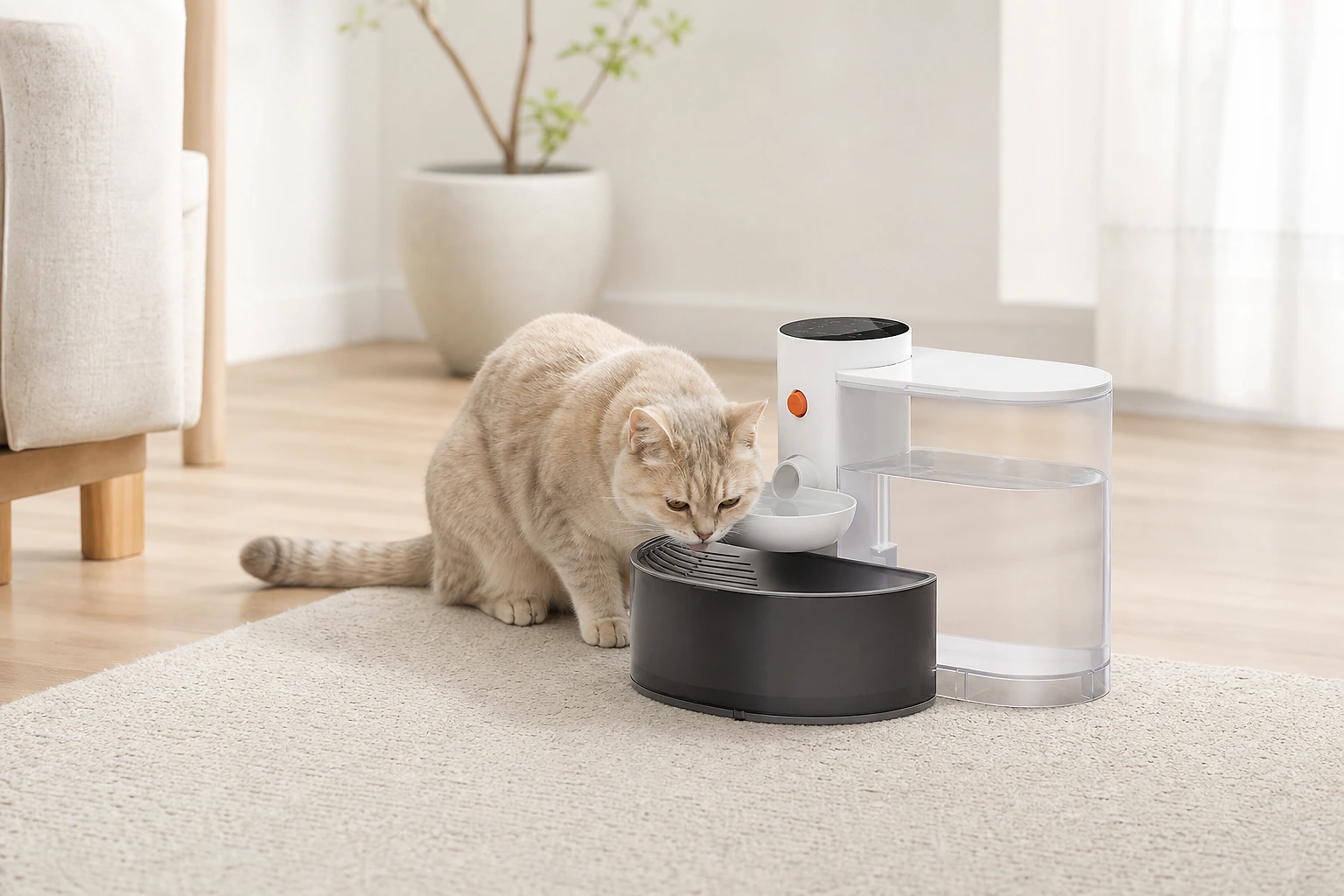
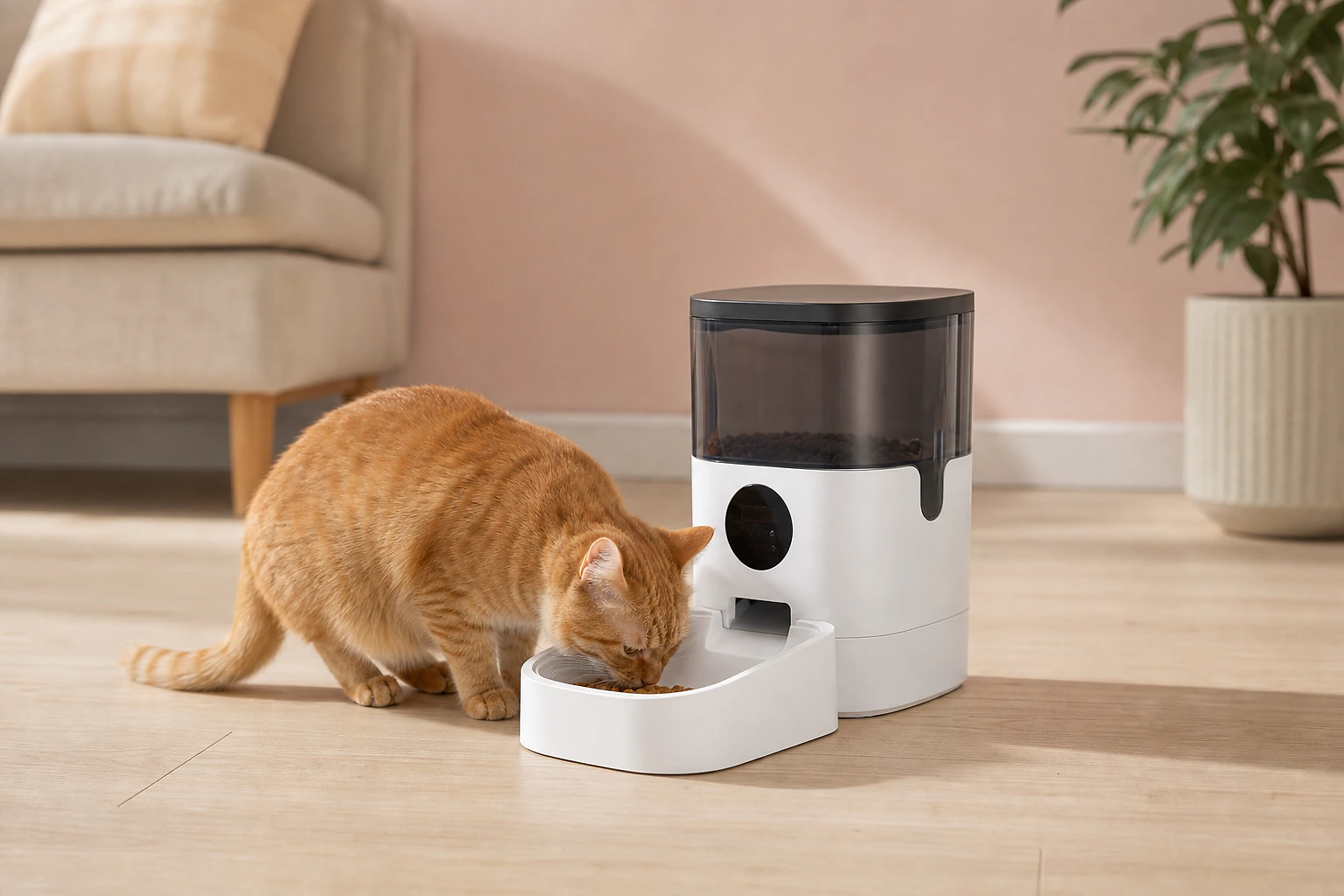
Compare family pages, choose item numbers, and isolate any catalogue fields that require confirmation.
Separate existing-model private label work from color, packaging, hardware, software, or structural development requests.
Agree what the sample represents and confirm power, software, materials, packaging, carton data, and market-specific documents.
Finalize the approved specification, quality checkpoints, quantity, quotation, timeline, and responsibilities before production.
Catalogue starting points
The family page owns product comparison. This OEM page owns cooperation and development intent.


Factory context
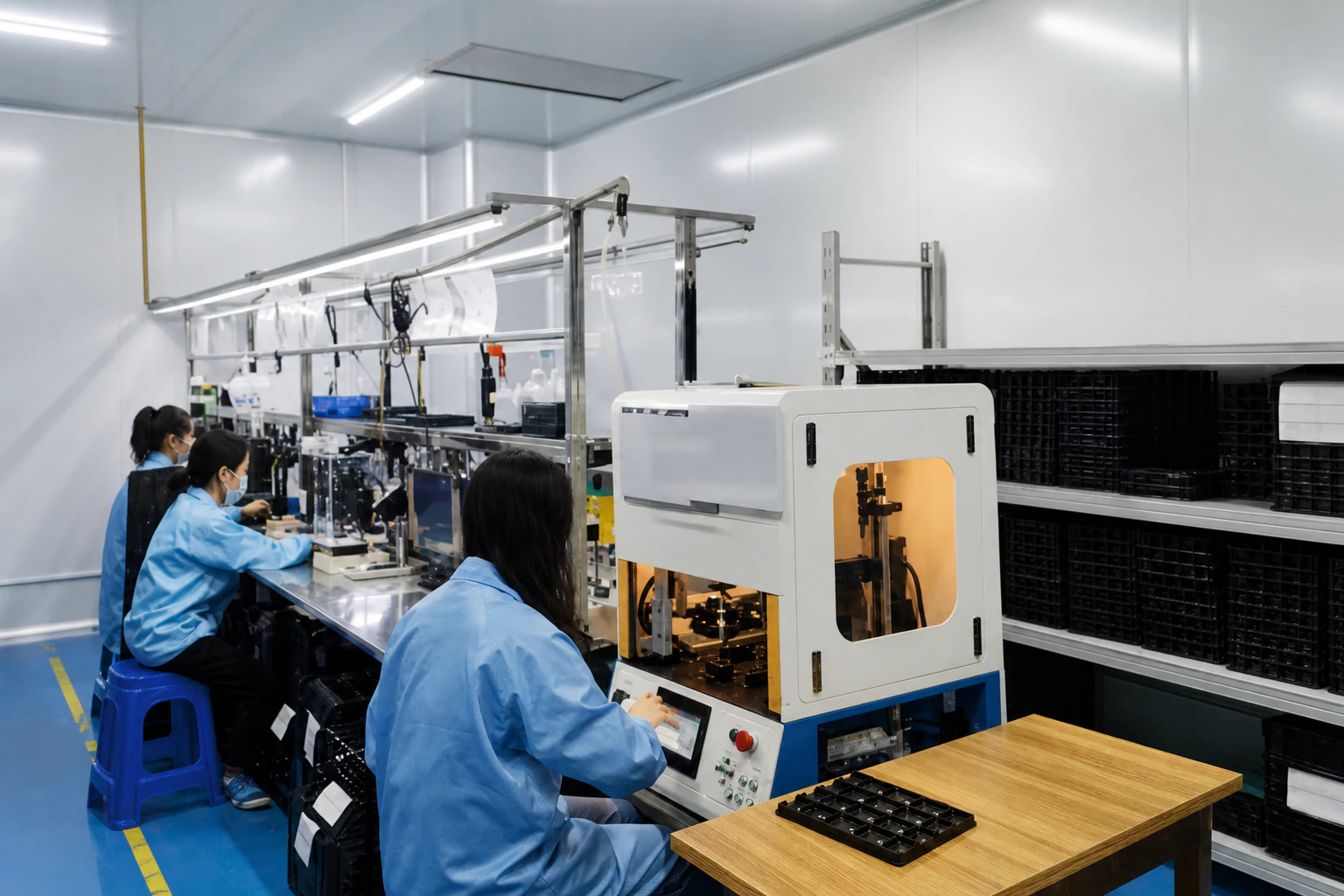
Since 2010, LISO has focused on smart-pet product research and development. The current company profile states a 6,000 m² facility, 6 production lines, and 80 team members.
These facts establish the company context. Item-specific capacity, test, document, sample, and production claims still require project confirmation.
Review the full factory pageOEM/ODM FAQ
Private label usually starts from an existing product and focuses on brand, color, packaging, or a limited option set. OEM and ODM discussions may include deeper specification, structure, electronics, software, tooling, or development work. The exact scope must be confirmed for the chosen item and project.
No. MOQ, sample availability, tooling, development, and lead time depend on the exact item, customization scope, quantity, market, documentation, and production plan. They are confirmed in the project-specific quotation.
No. Software, wireless bands, plugs, voltage, batteries, food-contact requirements, privacy, packaging, language, and compliance documents require destination-market review for the exact item.
Include the market, channel, intended product job, shortlisted family or item numbers, expected quantity, packaging direction, software or power requirements, launch timing, and required documentation.
Send the market, channel, product job, item numbers or concept, expected quantity, packaging direction, software or power requirements, timing, and required documentation to liso5@liso-collection.com.
Prepare an RFQ